

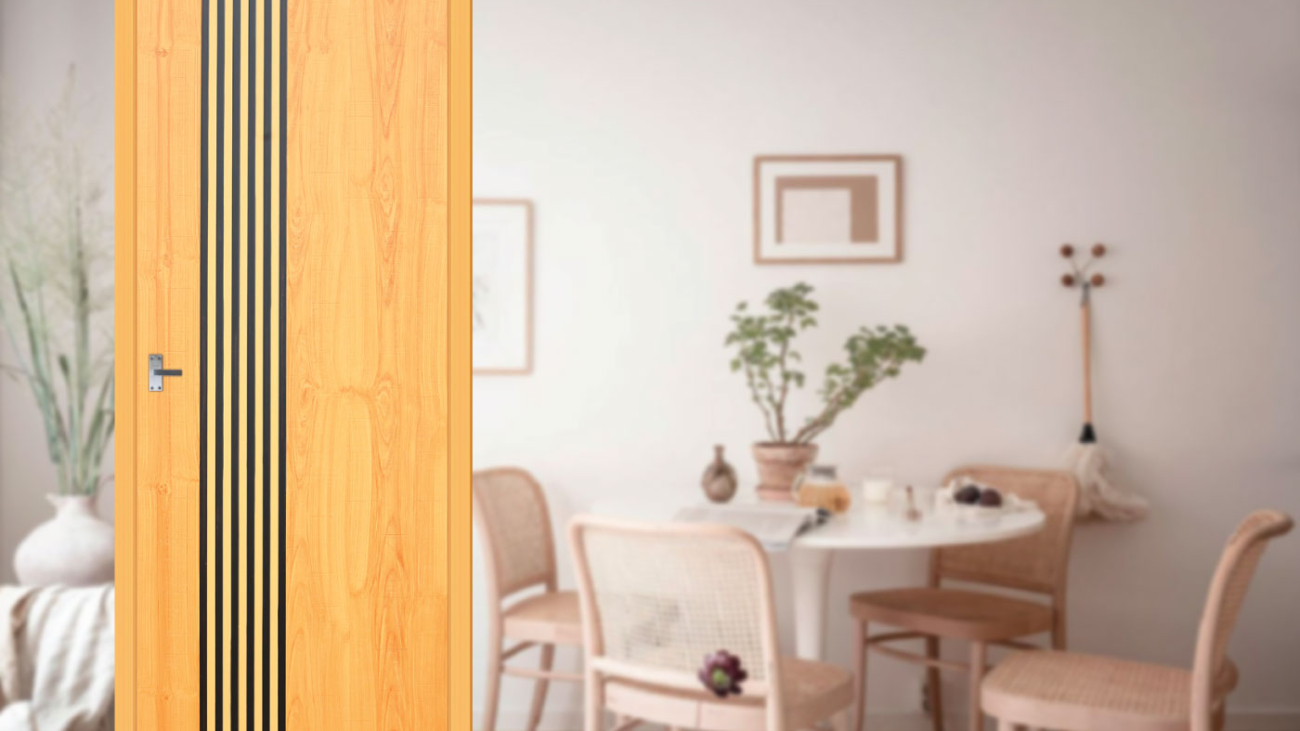
1400--by-1049-IMAGE-3

Why FRP Doors and Frames Are Gaining Popularity in Modern Construction

In today’s changing construction scene, material choices go beyond looks. Builders, architects, and homeowners now focus on durability, performance, and long-term value. This shift has brought FRP doors and frames to the forefront. Known for their strength, resistance, and versatility, these options are increasingly used in residential, commercial, and institutional projects. What is driving this growing demand? Let’s look at why FRP doors and frames are becoming popular in modern construction. 


Understanding FRP Doors and Frames 

FRP, or Fiber Reinforced Plastic, is a composite material made by reinforcing polymer resin with strong fibers. This mix creates doors and frames that are lightweight but remarkably strong. Unlike traditional materials, FRP does not warp, corrode, or break down easily, which makes it ideal for environments that require durability and reliability. 

Exceptional Durability and Long Lifespan 

One of the main reasons FRP doors and frames are becoming popular is their great durability. They are designed to handle heavy use without losing strength. In busy places like apartment buildings, hospitals, and offices, lasting quality is important. FRP doors and frames keep their shape and function over time, which lowers the need for frequent replacements and repairs. 

Resistance to Moisture and Environmental Damage 

Moisture poses a common problem in construction, especially in kitchens, bathrooms, and coastal areas. FRP doors and frames naturally resist water absorption, which stops swelling, rotting, or surface damage. This quality makes them perfect for humid conditions where traditional materials might struggle. They also resist termites and other pests, offering extra protection. 

Low Maintenance and Cost Efficiency 

Modern construction increasingly values materials that require minimal upkeep. FRP doors and frames are easy to clean and do not need frequent polishing, painting, or treatments. Over time, this leads to significant cost savings. Although the initial investment may be similar to other options, the lower maintenance expenses make FRP a cost-effective choice in the long run. 


Design Flexibility and Aesthetic Appeal 

Many people mistakenly believe that durability means sacrificing design. FRP doors and frames challenge this idea by providing many design options. They can be shaped into different styles, textures, and finishes to match modern architectural tastes. Whether a project needs a sleek, contemporary look or a more practical design, FRP fits in seamlessly. 

Safety and Structural Performance 

Safety is a top priority in modern construction. FRP doors and frames provide great structural stability and are built to perform well under stress. Their uniform composition guarantees consistent strength throughout the material. This reliability makes them a good choice for both residential and commercial spaces where safety standards matter. 

Sustainability and Smart Construction Choices 

As the construction industry shifts to sustainable practices, FRP doors and frames fit well with these goals. Their long lifespan cuts down on material waste, and their resistance to damage lowers the need for replacements. Choosing durable materials that last longer is a practical step toward responsible and efficient construction. 

Ease of Installation and Consistency 

Another reason for the popularity of FRP doors and frames is how easy they are to install. Their precise manufacturing guarantees uniform dimensions. This makes fitting simpler and cuts down on adjustments needed on-site. This consistency speeds up construction timelines and improves overall project efficiency. 

Versatile Applications Across Sectors 

FRP doors and frames are now commonly used in homes, offices, schools, healthcare facilities, and commercial buildings. Their flexibility helps them fulfill various functional needs without sacrificing performance. This adaptability makes them a dependable option for many construction projects. 

Real-World Performance and Long-Term Reliability 

Beyond specifications and features, the real strength of FRP doors and frames shows in everyday use. In modern construction projects with tight timelines and high performance expectations, materials must deliver consistent results without unexpected failures. FRP doors and frames work reliably in settings that experience frequent opening and closing, temperature changes, and daily wear. Unlike traditional materials that can crack, swell, or lose alignment over time, FRP stays stable, helping to maintain smooth operation and proper fitting for years. 


Another important aspect is their ability to keep their appearance over time. In many buildings, doors and frames are some of the most visible elements. Materials that fade, stain, or deform can hurt the overall look of a space. FRP doors and frames are made to resist surface damage, helping interiors stay clean and well-maintained with little effort. This reliability makes them particularly valuable in large projects where consistency across multiple units matters. 

 Conclusion 

The increasing use of FRP doors and frames in modern construction is no accident. Their durability, resistance to moisture, low maintenance, and design flexibility make them a smart choice for the future. As construction standards change, materials that provide long-lasting value and performance will clearly become more prominent.
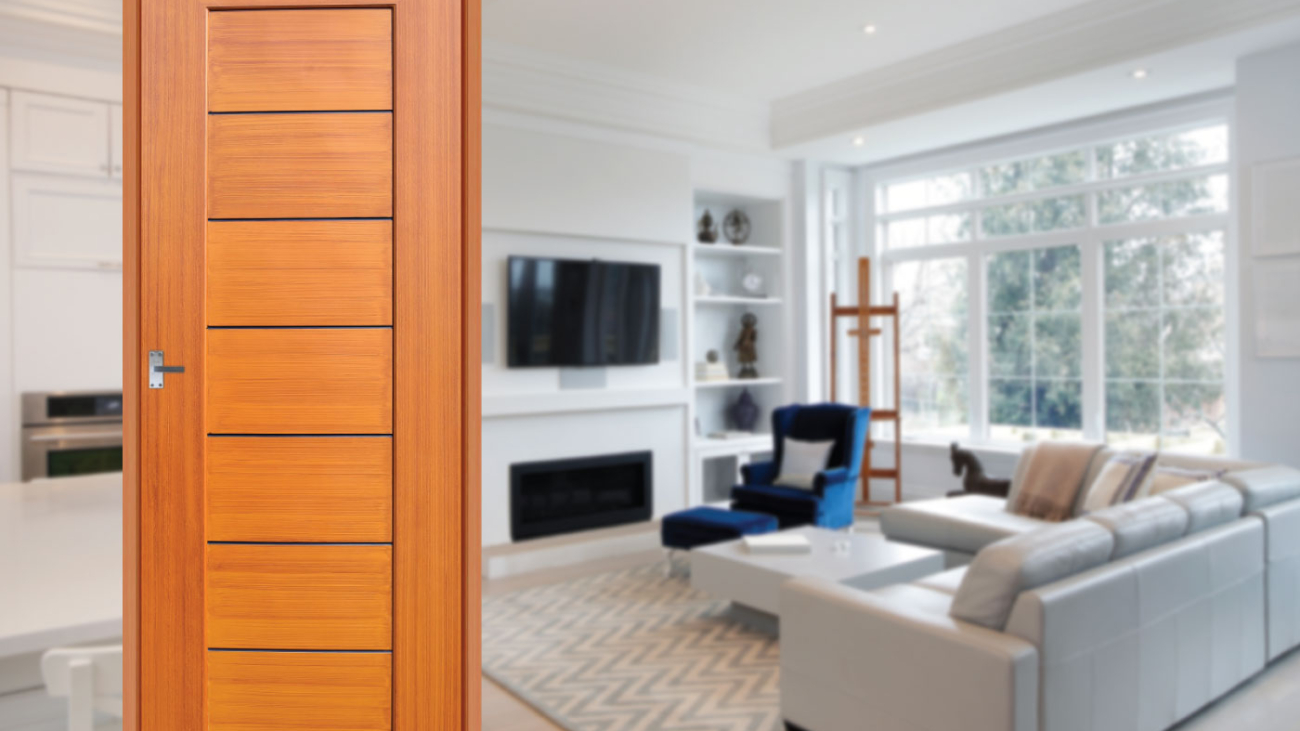
1400--by-1049

The Future of Door Solutions: Growing Demand for FRP Doors

Due to the demand for durable, efficient, and future-ready products, many sectors of the construction and interior design industries are rapidly changing. The evaluation of doors has changed over the last several years; they used to be viewed only in terms of how well they perform and how long they last. Today, FRP doors are becoming very popular as they have the capability of meeting modern requirements such as strength, low maintenance, and flexibility in design and function. Therefore, FRP doors have become a viable option for both residential and commercial construction going forward. 

Changing Expectations in Modern Construction 

Construction today is not just about looking good (i.e., the initial cost) or giving the lowest possible bid. Rather, construction today focuses on the long-term value, sustainability, and performance of a building and its products. Whether it be the weather, temperature changes, humidity, or any other element that may affect a material’s performance; FRP doors meet these requirements, as they balance performance and aesthetics better than many traditional materials do. 

What Makes FRP Doors Future-Ready 

Fiber Reinforced Plastic (FRP) is a composite of plastic (polymer) and reinforcement fibers to create a lightweight and strong material. From this engineered composition, FRP doors have an advantage over wood or metal doors because they do not warp or crack, nor do they absorb moisture. As climate becomes more unpredictable, there will be an increased demand for materials that withstand humidity, heat, and wear and tear on a regular basis, so FRP doors will be common place in the future. 

Rising Demand Across Residential Spaces 

An increase in market trends for Fiberglass Reinforced Polymer (FRP) doors is continuing to grow in residential markets. An overall trend towards homeowners seeking less maintenance, greater safety and comfort has led to more decision making by the end user when seeking out door types. FRP doors have become a preferred option for many entry points, kitchen/bathroom/utility rooms, etc., due to their inherent characteristics of durability over extended periods as well as being moisture resistant. Consistently exhibiting performance characteristics in various areas of the house are factors driving the increasing adoption of FRP doors. 

Expanding Use in Commercial & Institutional Buildings 

Other than residential construction, FRP door installations can also be found in institutional buildings. Office buildings, schools, and hospitals need materials that can withstand significant traffic without sustaining many repairs. The use of FRP doors fits the bill since they are capable of standing up to heavy traffic without sustaining any damage. 

Low Maintenance Driving Long-Term Adoption 

One of the major pull factors for future demand in FRP doors is that they require less maintenance. FRP doors need less maintenance because they are less prone to being polished, painted, or treated. FRP doors are able to maintain their aesthetic looks by consuming less maintenance. It is of extreme interest to all potential owners of properties. 

Encouraging the Implementation of Sustainable Construction 

Sustainability is emerging as an integral factor in the current building trends. Long-lasting materials with low replacement rates contribute significantly to waste reduction in materials. FRP doors play an essential role in sustainable building by providing durability and sustainability in their performance. Durable door solutions act as an effective means of sustainable building practices. 

Design Flexibility for Evolving Aesthetics 

As the architectural styles continue to evolve, so does the need for flexibility in design. FRP doors offer clean, uniform finishes that suit current design trends. Designers appreciate materials that can remain consistent across many spaces while being able to adapt into a variety of functional needs. This adaptability ensures FRP doors remain relevant in the ever-changing design preferences. 

Energy Efficiency and Indoor Comfort 

Other reasons that will affect the future of door solutions include energy efficiency. FRP doors have good insulation properties that can maintain indoor temperatures and reduce air leakage. This adds to the comfort within the building and helps attain energy-conscious design approaches. With higher efficiency standards, the role of such materials as FRP is increasing. 

Reliability under Various Conditions 

From humid coastal regions to areas with fluctuations in temperature, the operation of doors must be reliable under most diverse conditions. FRP doors go well for such challenges due to their resistance to moisture, corrosion, and environmental stresses. This would further strengthen their reliability across regions into position as a future-ready solution. 

Why the Demand Will Continue to Grow  

The increasing demand for FRP doors is not a fleeting market phenomenon, but rather a shift in the criteria for the value of building materials. Instead of strength, durability, ease of maintenance, and ability to be designed, these qualities are merely the minimum expected. FRP doors meet all these criteria, and therefore, the future has them in store. 

Conclusion 

The future of door solutions is set to be characterized by materials with performance, durability, and aesthetic value. FRP doors are at the forefront of this revolution with their reliable solutions in the context of the fast-changing construction landscape. The increased usage of FRP doors in residential and commercial settings establishes their relevance within this landscape.